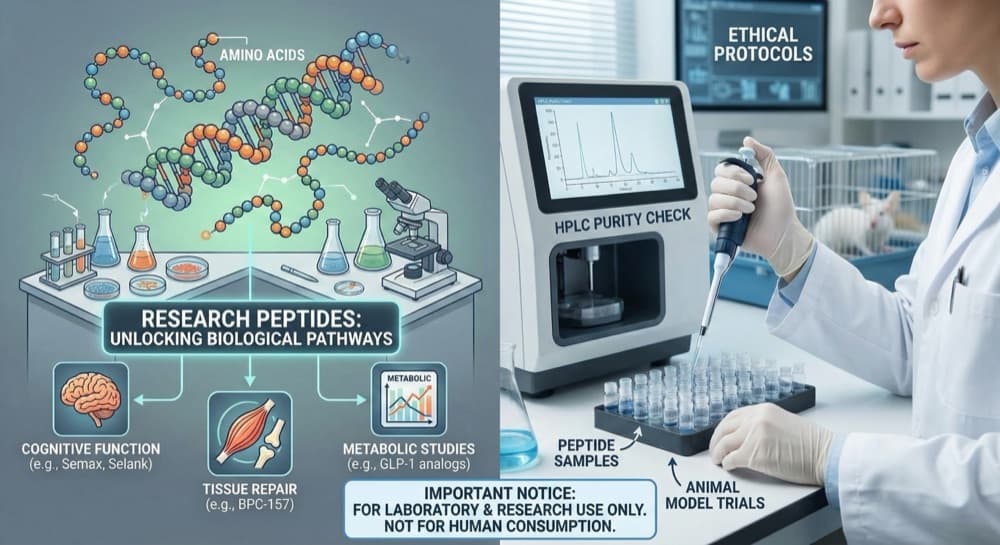
Metabolic Peptides: A Research Overview
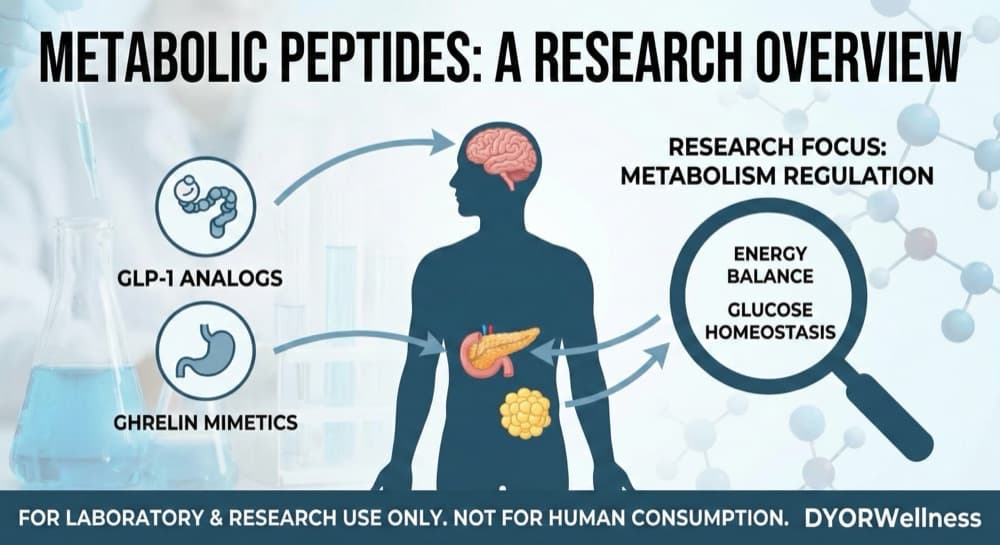
Metabolic Peptides: A Research Overview
Metabolic peptides represent one of the most active areas of current pharmaceutical and biological research. These compounds interact with key metabolic pathways and have become important tools for understanding energy regulation and glucose homeostasis.
The GLP-1 System
Glucagon-like peptide-1 (GLP-1) is an incretin hormone that plays crucial roles in:
- Glucose-dependent insulin secretion
- Glucagon suppression
- Gastric emptying regulation
- Satiety signaling
GLP-1 Receptor Agonists
Research has produced numerous GLP-1 analogs with improved pharmacokinetic properties:
- Extended half-lives through structural modifications
- Enhanced receptor binding affinity
- Resistance to enzymatic degradation (DPP-4)
Dual and Triple Agonists
GLP-1/GIP Dual Agonists
TRZ-GLP1 represents a new class targeting both GLP-1 and GIP receptors. Research has shown:
- Synergistic effects on glucose metabolism
- Enhanced weight reduction in animal models
- Novel receptor interaction patterns
Triple Agonist Research
RT-GLP-3 targets three receptors:
- GLP-1 receptor
- GIP receptor
- Glucagon receptor
This triple mechanism is being studied for potential synergistic metabolic effects.
Mechanisms of Action
Central Effects
Metabolic peptides may influence:
- Hypothalamic appetite centers
- Reward pathways
- Food preference patterns
Peripheral Effects
Research has examined effects on:
- Pancreatic beta cell function
- Hepatic glucose production
- Adipose tissue metabolism
- Gastrointestinal motility
Current Research Directions
Scientists are investigating:
- **Receptor pharmacology** - Understanding binding and signaling
- **Tissue distribution** - Where these peptides act
- **Long-term effects** - Extended study outcomes
- **Combination approaches** - Multi-target strategies
Research Considerations
When working with metabolic peptides:
- Account for species differences in receptor expression
- Consider circadian variations in metabolic parameters
- Use appropriate controls and comparators
- Follow established dosing protocols
Looking Ahead
The field continues to evolve with:
- Novel peptide sequences being explored
- Improved delivery methods in development
- Better understanding of mechanism nuances
Disclaimer: This information is for research and educational purposes only. These compounds are not approved for human use without proper regulatory approval.